

The animation as a medium and a tool for research on violation of rights and the nature of sovereignty
How can the sovereign who determines our rights and obligations as members of society also ‘unmake’ us? Why are some people declared undesirable? Why are their lives devalued and pushed out of political structures?

The personal is (not) political
The research of Saddie Choua is related to the prelude "How do I make images about minority groups?" Starting from her own practice as a visual artist, video artist, documentary maker, she wonders how art can work in a political emancipatory way within our current patriarchal, racist and capitalist society?

The perception of reality within the documentary setting
The last four/five years I have been working on two documentary films in the context of migration, identity and integration: ‘No Man Is An Island’ and ‘Passe-Partout’. The films have been released and shown around the world.

Death Book BWD
I want to prove that living with Shakespeare, in this case with Macbeth, borders on madness.One could approach this tendency towards madness in Shakespeare as an object for scientific research,but I do not want to do that. I want to use artistic means to explore Bloetwollefduivel (BWD) – and the madness that Shakespeare causes. The unpredictable conclusions will reveal and demonstrate something about Shakespeare, about blood (Bloet), about madness, about myself and about all of us. The result...

Female voices and dominant (science) narratives
My artistic research revolves around the creation of a diary film in which I address the six years that passed from the moment I decided to try to become a mother until I gave birth to my son. During these years, my partner and I underwent different fertility treatments. With the film, I would like the viewer to experience the vulnerability and fragility I felt throughout all those years: a journey in which moments of joy and hope are mixed with moments of powerlessness and sadness. A sense...

The Breath Art Project
The Breath Art project of Maribeth Diggle will investigate how breath can be identified and studied as a primary actor in practices of dynamic performance expression, and how embodying conscious breath techniques can strengthen different performance output, which will help design a brand new breath art methodology to contribute to, and complement, already standing curriculum. Until now, the role of breath as a central part of the performative and interpretative act has been largely under...
Who Will Cry for Us?
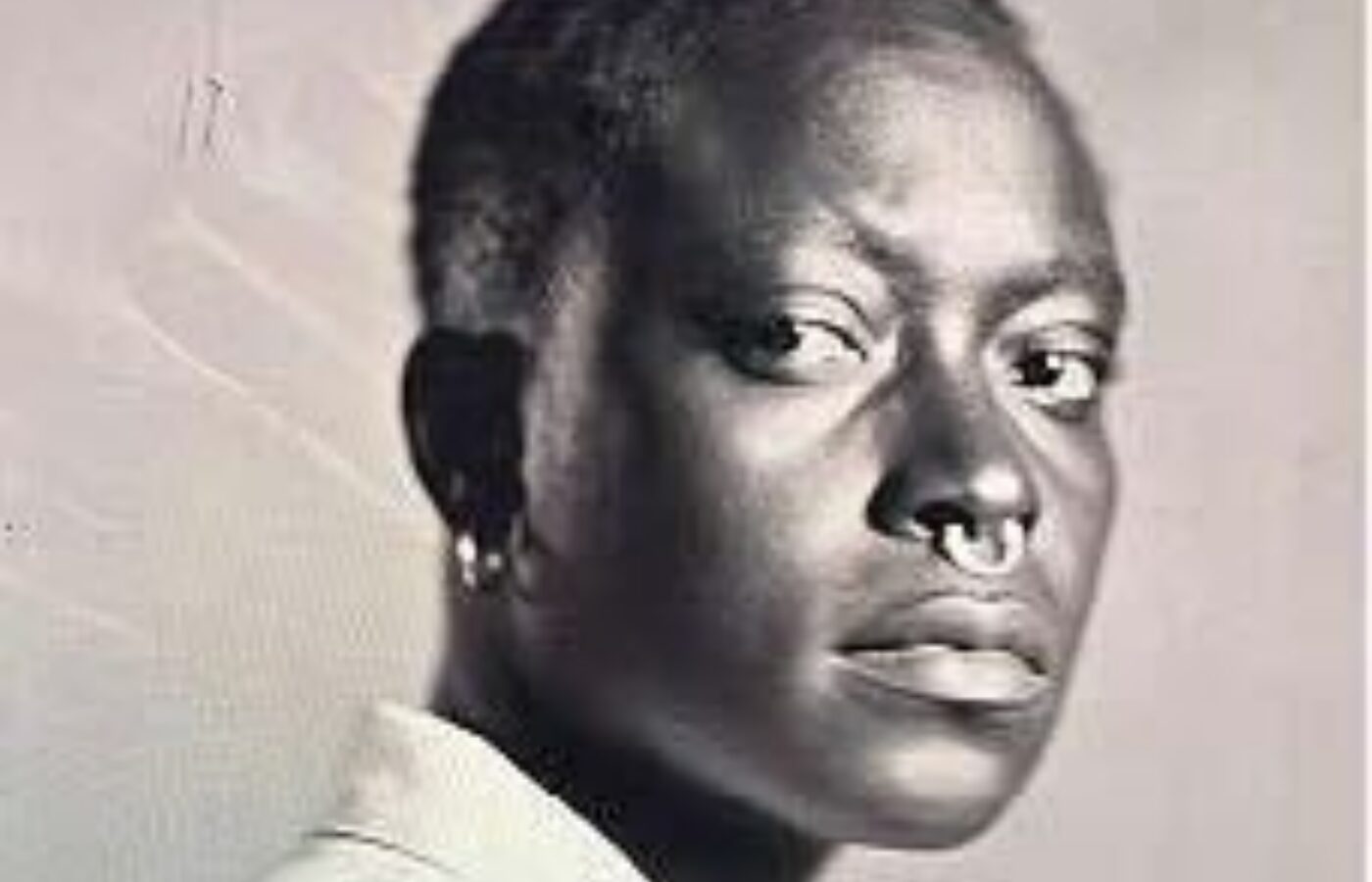
Who Will Cry for Us? investigates the analytical problem of queer African death and asks who is permitted to become an ancestor. In West African traditions, the rites and recognition that ancestorhood requires exclude queer Africans, whose lives are often lived outside public view by necessity. Their deaths go unrecorded by states and unfinished by the frameworks meant to receive them. Drawing on a decade of visual practice and work as a death doula, the project develops Queer Death Literacy:...

AI-driven Digital Scenographies: Start/Stop cloning the designer
This research explores the intersection of artificial intelligence and creative arts by developing a digital twin of an artist, capable of generating novel audiovisual performances. Utilizing a comprehensive dataset that includes historical performance data, personal communications, and social media feeds, the project aims to create an AI model that closely mimics the artist's style. The study investigates the boundaries between human creativity and computational innovation, addressing...

The impact and specificity of social artistic work
What is the impact of social-artistic work or community art? Community art is most of the time small-scale and less visible in the field of the arts. Working with sociallly vulnerable participants is very specific and the outcome is most of the time not an ordinary work of art that can be sold. It is not prestigious. But this kind of art does have a big influence on the lives of the participants.

The Live Does Not Exist but There Is Liveness
This research explores the notion of ‘liveness’ in visual and performing arts in relation to Lacanian psychoanalytic theory.

THE MANEGE OF THE UPRISING. AN ARTISTIC INVESTIGATION IN THE TRANSIT ZONE INTO THE RELATIONSHIP BETWEEN PERFORMANCE AND POST-ANARCHIST RESISTANCE BASED ON MICHEL DE GHELDERODE’S *PANTAGLEIZE*.
The Manege of the Uprising takes its cue from issues I encountered during my work at the KVS (2001–2013). There, we developed a theatrical aesthetic based on urbanity (Linda Boudry et al. 2003, Eric Corijn). We strove for a dramaturgy of the city that establishes connections between the urban context as a source of artistic material, the artist’s identity, their artistic practice and the diverse urban audiences. We saw theatre as an antidote to neoliberalism and the problems arising from...

Social Recordings
Being is hearing and being heard. I embrace the idea that sound is a phenomenon that we both influence and are influenced by.
Decolonial Sorcery
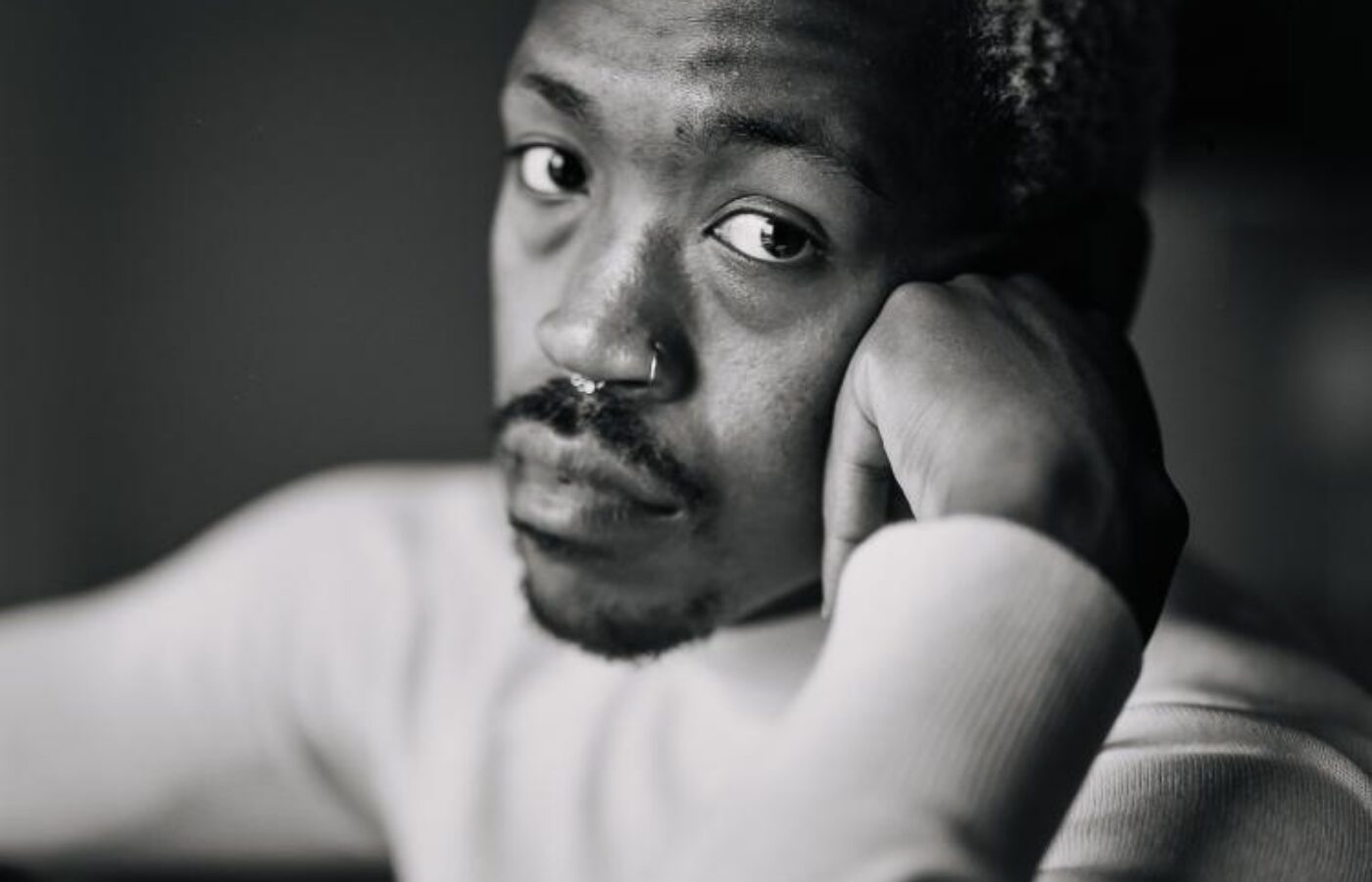
Under the umbrella Decolonial Sorcery, Kopano Maroga will endeavor to research the religio-spiritual traditions of neo-paganism and animist ritual (Starhawk, Margot Adler and Arthur Evans) through the lens of performance theory, and their potentials as representations of embodied enactments of decolonial aesthesis (Walter Mignolo and Rolando Vasquez). This research will endeavor to explore the political potential(s) neo-paganism and animist ritual hold vis-à-vis critical race theory (Cedric...

Documenting History: personal chronicles from the fulcrum of events
This research is a kind of archaeology of the present moment - we preserve and explore reality at the same time as we experience it. The study focuses on the intersection of significant historical events with personal archival materials and the evolving perceptions of both viewers and authors, aiming to uncover how these events influence an author's interpretation. Central to the study is the exploration of the symbiotic relationship between form and content in storytelling. The researcher...

Reclaiming the Technologically Conditioned Body Through Embodied Movement in XR
Özbilge investigates the conditioning of the human body as it enters extended reality, tracing how the contemporary post-digital paradigm has come to inhabit, discipline, and recode embodied experience. The body that enters XR is never neutral, nor is it free. It is already trained by spatial, cultural, and technological systems, carrying histories of discipline, habits, rhythms, fears, desires, and patterns of attention. Foucault conceptualizes this through the ‘docile body’. Our behavior...

Charbon
Charbon is a PhD research and a film about my continent Europe and me. I was born in coal and came of age in petroleum and will die in the changing climate of renewable energy....

Rediscovering classical texts for theatre in post-dramatic times
What are the possible keys to rediscover classical texts for theater in post-dramatic times?

Art as a rehearsal space for potential history and a future reality
In the early 1970s, dramaturge Marianne Van Kerkhoven founded political theatre company Het Trojaanse Paard. Specific to this group, and to related groups around them, was the conviction that art served a purpose beyond art: to bring about a process of social awareness and provide audiences with strategies to transform their everyday reality. The moment of performance was given an intention for the reality around it.